

 Myopia management
 Dry Eye Treatment
 Shop Our Frames
Blog:Seeing Flashes of Light? When to Call a Houston Eye Doctor Immediately
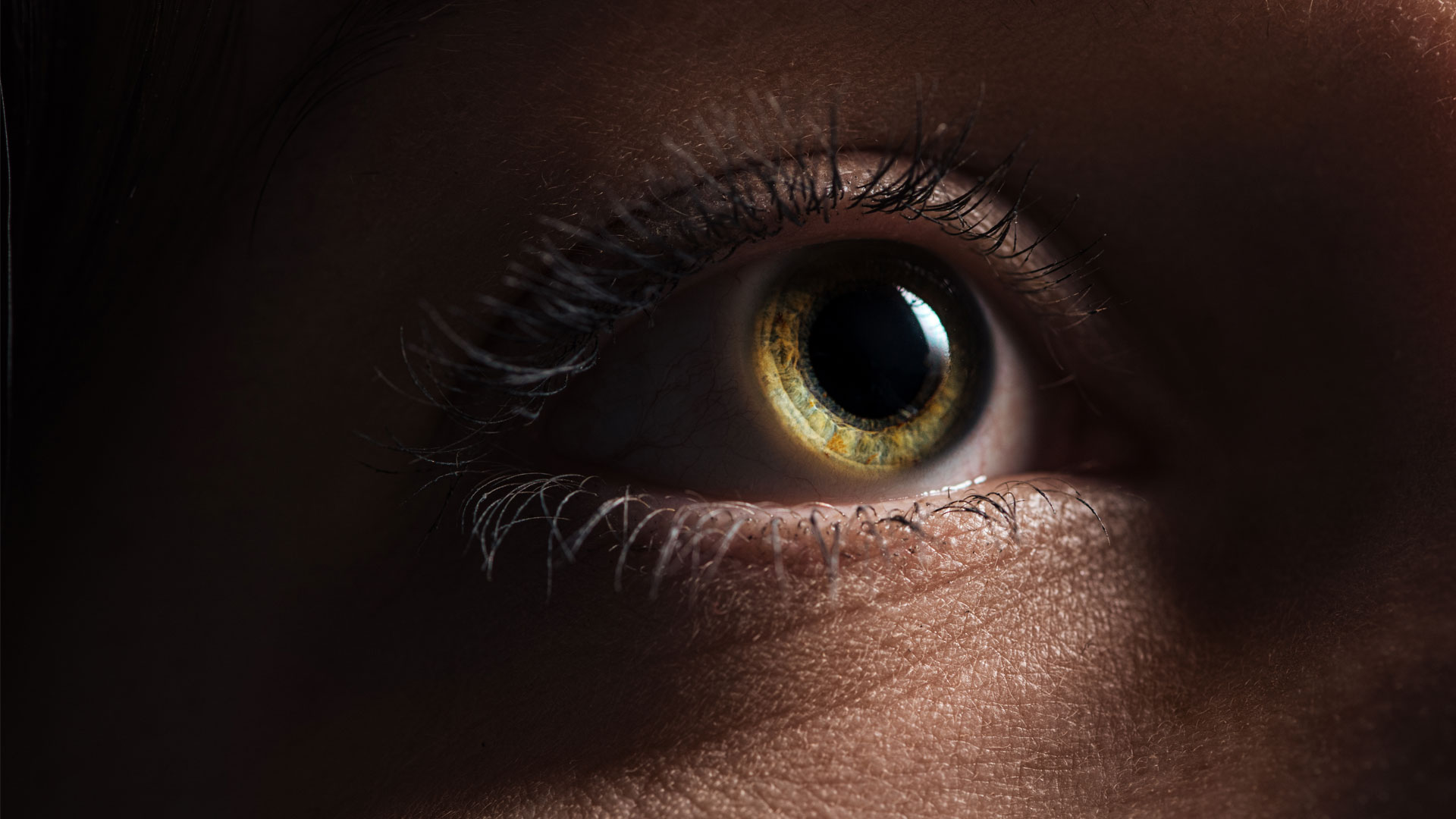
You're merging onto I-45 North heading home to Champions Forest when lightning-like flashes streak across your peripheral vision. Or perhaps you're shopping at Willowbrook Mall and notice strange bursts of light that have nothing to do with the overhead fluorescents.
Your instinct tells you something isn't right, but you're not sure if this warrants immediate medical attention or can wait until your next routine appointment.
Here's what you need to know: sudden flashes of light in your vision are never something to dismiss.
While some visual disturbances are benign age-related changes, others signal retinal tears or detachment, conditions that can cause permanent blindness if not treated within days or even hours.
What is the Difference Between Normal Floaters and a Vision Emergency?
Understanding the difference between posterior vitreous detachment (PVD) and retinal tears is key to telling a normal floater from a vision emergency.
Posterior Vitreous Detachment (PVD)
PVD is a natural, usually benign, part of the aging process that affects almost everyone over 60.
Inside your eye is a gel-like substance called the vitreous humor, which fills the space between the lens and retina. With age, this gel shrinks and liquefies, eventually pulling away from the retina in a process called posterior vitreous detachment.
When PVD occurs, you might experience:
- A few new floaters appearing gradually over days or weeks
- Occasional mild flashes, especially when moving your eyes in dim lighting
- A single prominent floater that remains stable
- Symptoms that stabilize after the initial appearance
While PVD itself is typically harmless, it creates a critical window of risk. In approximately 10-15% of PVD cases, the vitreous pulls forcefully enough to tear the retina as it separates.
This is why even "benign" PVD requires professional monitoring, especially in the first six weeks.
Retinal Tear
A retinal tear happens when the separating vitreous pulls hard enough to rip the retina. Once a tear forms, fluid can seep beneath the retina, causing it to detach from its underlying support tissue and leading to retinal detachment and permanent vision loss.
A retinal tear requires immediate medical attention. Contact a Houston Optometrist right away if you experience any of these warning signs:
- A sudden shower of floaters appearing within minutes to hours, often described as "hundreds of gnats" or "pepper falling across your vision," may indicate bleeding from a retinal tear.
- Persistent, frequent flashes appearing as bright lightning-like streaks or camera flash bursts occurring repeatedly, not just occasional flickers with eye movement.
- Dark curtain or shadow appearing as a gray or black veil progressively covering any part of your visual field from any direction, indicating retinal detachment is already occurring.
- A combination of flashes and new floaters appearing together suddenly, which is the classic warning pattern for a retinal tear.
- Large, dense floater with flashes presenting as a prominent dark spot that suddenly appeared, accompanied by light flashes, often representing vitreous hemorrhage from a tear.
- A ring or arc of flashes showing as a semicircle of flashing lights in your peripheral vision, particularly if persistent.
- Post-trauma visual changes, including any new flashes or floaters, after head injury, eye injury, or even forceful vomiting or coughing.
- Progressive worsening, where symptoms increase in severity over hours or days rather than remaining stable.
- Vision loss or distortion, including any decrease in vision clarity, missing areas of vision, or straight lines appearing wavy.
Flashes and Floaters: Understanding What You're Experiencing
Flashes and floaters can feel alarming, especially when they appear suddenly, but the same issue does not always cause them. Knowing the difference between the two helps you identify what you’re experiencing and whether it needs monitoring or immediate attention.
It also clarifies when to seek emergency eye care in Houston.
| Symptom Type | What You Experience | Common Causes | Urgency Level | Action Required |
|---|---|---|---|---|
| Benign Occasional Floater | One or two small dots or cobwebs, unchanged for months | Normal vitreous aging, long-standing posterior vitreous detachment | Low | Mention at the next routine eye exam |
| Mild Intermittent Flashes | Brief sparkles when moving eyes quickly in dim light | Vitreous traction on retina is common over age 50 | Low–Moderate | Schedule a Medical Eye Exam within 1–2 weeks |
| Sudden Floater Shower | Multiple dark spots appear within hours, like pepper or soot falling | Vitreous hemorrhage, possible retinal tear | Emergency | Call an eye doctor within 24 hours |
| Persistent Bright Flashes | Repeated lightning streaks or camera flashes that don’t stop | Active retinal traction, possible tear development | Emergency | Call for same-day Medical Eye Exam |
| Large New Floater + Flashes | Prominent dark spot with accompanying light flashes | Retinal tear with vitreous hemorrhage | Emergency | Call within 24 hours for urgent evaluation |
| Post-Injury Flashes | New visual disturbances after head trauma or eye injury | Retinal trauma, possible tear or detachment | Emergency | Seek immediate Medical Eye Exam |
| Dark Curtain / Shadow | Progressive dark area covering part of the vision | Retinal detachment in progress | Severe Emergency | Call immediately or go to the emergency room |
What's the Difference Between a Medical Eye Exam and My Regular Vision Check?
Scheduling an eye exam in Houston might leave you wondering about the difference between a medical eye exam and a routine vision check. Below, we explore the key differences between these two types of appointments.Routine Vision Exam
Your annual vision check primarily focuses on measuring your refractive error (nearsightedness, farsightedness, astigmatism) to prescribe glasses or contact lenses.
While valuable for correcting vision, this exam doesn't include the comprehensive retinal evaluation necessary to diagnose flashes, floaters, or retinal pathology.
Medical Eye Exam
A medical eye exam goes far beyond checking your prescription. When you experience symptoms like flashes or floaters, you need a dilated examination that thoroughly evaluates your retina.
Eye flashes and floaters treatment in Houston involves dilating your pupils with specialized drops. It allows complete visualization of your entire retina, including the peripheral areas where retinal tears and detachments often begin.
Does My Insurance Cover Emergency Eye Exams for Flashes and Floaters?
Because flashes and floaters can signal underlying health issues, providers code these diagnostic exams as medical visits. Your standard medical insurance usually covers these exams, subject to your copay and deductible.
Why Choose TSO Champions for Emergency Eye Care?
When it comes to your vision, the practice you choose is crucial. Here's why North Houston residents trust TSO Champions with their urgent retinal care:
Doctor-Owned Legacy of Trust
Unlike corporate vision chains, TSO Champions is doctor-owned and operated. Our optometrists have built their careers and reputations in this community.
We don't just see patients; we're dedicated to caring for our neighbors' long-term vision. It means we take every emergency seriously and never rush an examination.
Advanced Diagnostic Technology
Our Champions office features state-of-the-art equipment specifically for diagnosing retinal conditions:
- Optomap ultra-widefield retinal imaging captures 82% of your retina in a single image
- Optical coherence tomography (OCT) provides cross-sectional views of retinal layers
- Comprehensive dilated examination techniques using specialized lenses
Emergency Priority Scheduling
We understand that retinal emergencies don't follow business hours. That's why we offer same-day urgent care, advanced diagnostics, and immediate access to experienced retinal specialists.
Accessible Location
Located in the heart of North Houston's Champions Forest area, we're easily accessible from Willowbrook, Cypress, Spring, and surrounding communities. Our office provides comfortable, efficient care with ample parking and a welcoming atmosphere.
Don't Risk Your Vision
Flashes of light can indicate retinal tears or detachment, which can cause permanent blindness without immediate treatment. These conditions don't improve on their own and worsen rapidly. The difference between saving your sight and losing it forever often comes down to a single phone call made within 24 hours.
Call our Champions office immediately at (281) 440-5887 for an Urgent Medical Eye Exam.
FAQs
Why Am I Seeing Flashes of Light in the Corner of My Eye?
Flashes in your peripheral vision usually happen when the vitreous gel pulls on the retina, sending false light signals to the brain. It often occurs during posterior vitreous detachment, a common aging change, but it can also signal a retinal tear or detachment. A dilated medical eye exam is the only way to determine the cause.
Do Flashes of Light Always Mean Retinal Detachment?
No, flashes don’t always mean retinal detachment. They can occur from normal aging, migraine aura, or temporary eye pressure. However, sudden or worsening flashes—especially with new floaters—may indicate a retinal tear and require urgent evaluation.
When Should I Be Worried About Flashing Lights?
You should be concerned if flashes appear suddenly, increase rapidly, occur with new floaters, follow trauma, or accompany vision loss, dark shadows, or distortion. Patients should seek evaluation within 24–48 hours for even mild new flashes to rule out retinal damage.
What Is the Most Common Cause of Seeing Flashing Lights?
Posterior vitreous detachment (PVD) is the most common cause, especially after age 40. As the vitreous shrinks and pulls away from the retina, flashes can occur. While usually harmless, PVD can lead to retinal tears in some cases, making evaluation essential.
What Diseases Cause Eye Flashes?
Eye flashes can result from retinal tears or detachment, optic neuritis, diabetic eye disease, vitreous hemorrhage, or intraocular inflammation. Less commonly, migraines or neurological conditions may be responsible. A comprehensive dilated exam is needed to rule out serious causes.
When Should I Worry About Flashes and Floaters?
Flashes combined with floaters are especially concerning and often signal retinal traction or tearing. This symptom pattern requires emergency eye care in Houston within 24 hours, as prompt treatment greatly reduces the risk of permanent vision loss.
Quick Links
Helpful Articles
article_category: products
article_category: psychiatry
article_category: faqs
article_category: cats
article_category: general
article_category: services
article_category: technology
article_category: dogs
article_category: restorative
article_category: vision therapy
article_category: contact lenses
article_category: health
article_category: conditions
article_category: eye surgery co-management
article_category: exotic
article_category: cosmetic
article_category: surgical procedures
article_category: aesthetics
article_category: preventative
article_category: ocular disease management
article_category: eyeglasses
article_category: eye health
article_category: large animal
[]
article_category: psychiatry
article_category: faqs
article_category: cats
article_category: general
article_category: services
article_category: technology
article_category: dogs
article_category: restorative
article_category: vision therapy
article_category: contact lenses
article_category: health
article_category: conditions
article_category: eye surgery co-management
article_category: exotic
article_category: cosmetic
article_category: surgical procedures
article_category: aesthetics
article_category: preventative
article_category: ocular disease management
article_category: eyeglasses
article_category: eye health
article_category: large animal
[]
Flowbite is an open-source library of interactive components built on top of Tailwind CSS including buttons, dropdowns, modals, navbars, and more.
Check out this guide to learn how to get started and start developing websites even faster with components on top of Tailwind CSS.

All Eyecare Services
We offer a wide variety of eye care services to the Houston community. Contact us with any questions about our services.

Locate Us
Click here to find us on Google Maps and take the first step toward meeting our team in person—we can't wait to welcome you to our office!

Contact Information
Office Hours
- Monday 9:00am - 6:00pm
- Tuesday 9:00am - 6:00pm
- Wednesday 9:00am - 6:00pm
- Thursday 9:00am - 6:00pm
- Friday 9:00am - 6:00pm
- Saturday 9:00am -1:00pm
- Sunday Closed
© 2026 Texas State Optical Champions. All rights Reserved - Accessibility Statement - Privacy Policy - Sitemap
Managed and Designed by 