

 Myopia management
 Dry Eye Treatment
 Shop Our Frames
Blog:What Causes High Eye Pressure and How to Reduce It Safely
Summary
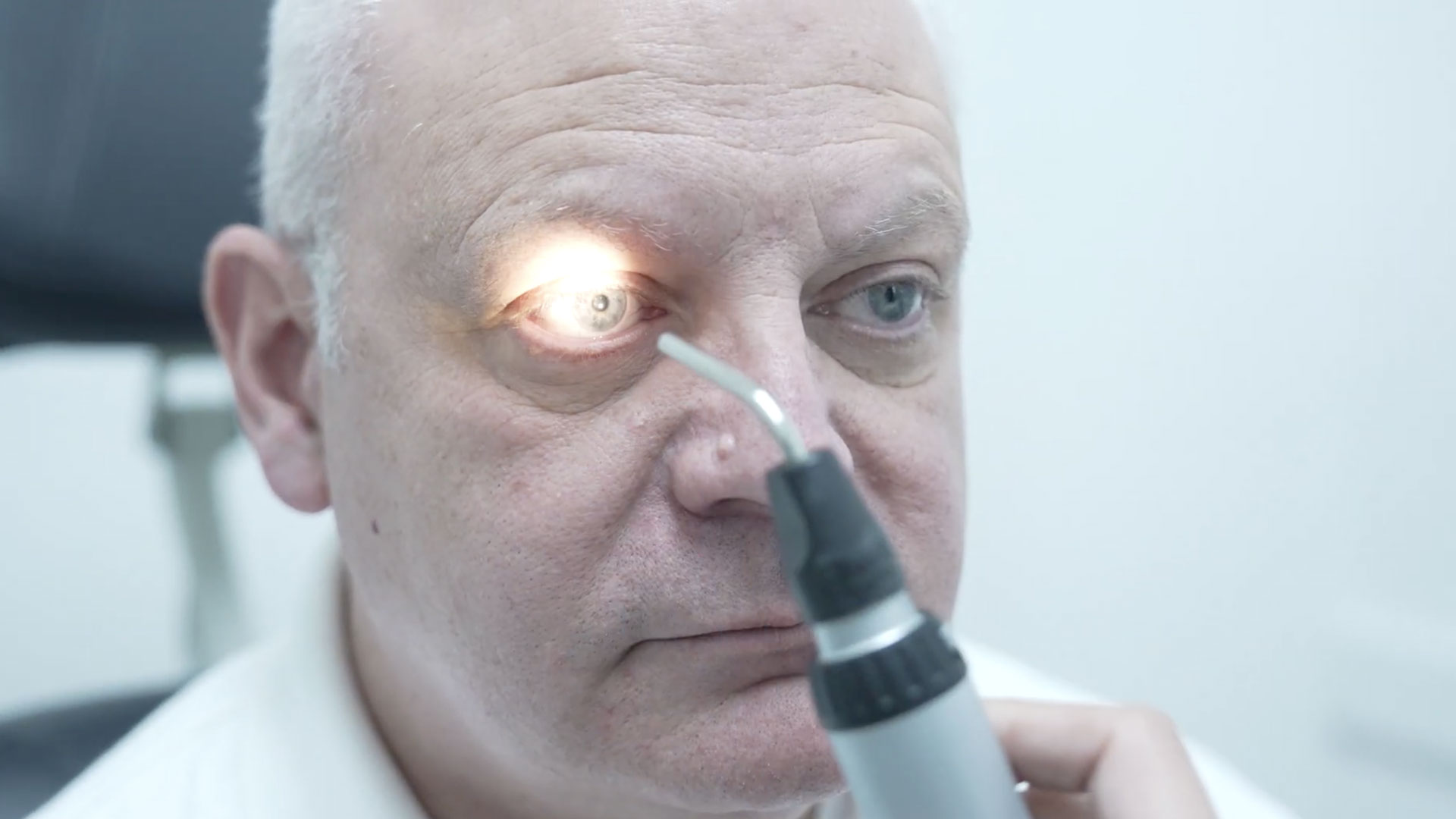
- Ocular hypertension develops silently, with no pain or obvious symptoms, making regular eye exams the most reliable way to catch it early.
- Causes include poor fluid drainage, genetics, certain medications, and underlying conditions like diabetes or hypertension.
- Texas State Optical Of Champions offers comprehensive, physician-led eye care in Houston to help you monitor and manage high eye pressure effectively.
Table of Contents
- What is Eye Pressure?
- What is the Normal Eye Pressure Range?
- What are the Symptoms of High Eye Pressure?
- What are the Causes of High Eye Pressure?
- What are the Causes of High Eye Pressure Other Than Glaucoma?
- What are the Causes of High Intraocular Pressure?
- What are the Causes of High Eye Pressure in One Eye?
- What are the Causes of High Eye Pressure in Children and Young Adults?
- What are the Causes of High Eye Pressure After Cataract Surgery?
- How Does High Eye Pressure Relate to Glaucoma?
- How is High Eye Pressure Treated?
- What Lifestyle Changes Help Reduce Eye Pressure?
- When Should You See a Professional for High Eye Pressure?
- Why Visit Texas State Optical Of Champions for Getting Treatment for High Eye Pressure?
- Frequently Asked Questions
What is Eye Pressure?
Intraocular pressure (IOP) is the fluid pressure inside your eye. Your eye constantly produces a clear fluid called aqueous humor, which nourishes the eye and maintains its shape. This fluid flows in and out of the eye through a drainage system. When that drainage system works properly, pressure stays within a healthy range.
When the fluid builds up faster than it drains, or when the drainage channels become blocked or inefficient, pressure inside the eye rises. It is what we call ocular hypertension or high intraocular pressure.
What is the Normal Eye Pressure Range?
According to the Glaucoma Research Foundation, the normal eye pressure range is typically 10-21 mmHg (millimeters of mercury).
Most eye care professionals consider anything above 21 mmHg to be hypertensive. However, what is considered a dangerous level varies from person to person, which is why regular monitoring by a qualified optometrist is so important.
What are the Symptoms of High Eye Pressure?
High eye pressure often causes no noticeable symptoms in its early stages. Most people with high eye pressure feel no pain and notice no change in their vision, which is why it is often called a silent condition.
In some cases, however, people may experience:
- Mild headaches, particularly around the eyes or forehead
- Occasional blurred vision
- Seeing halos around lights
- A subtle sense of pressure or discomfort in the eye
Because these symptoms can be easily dismissed or attributed to other causes, many individuals go undiagnosed for years. This is why routine eye pressure screenings are a critical part of any comprehensive eye exam.
What are the Causes of High Eye Pressure?
There is no single cause of high intraocular pressure. Several factors can contribute to elevated IOP, and understanding them can help you take a more proactive approach to your eye health.
The most common causes include:
- Overproduction of aqueous humor in the eye
- Poor drainage through the eye's trabecular meshwork
- Certain medications, particularly corticosteroids
- Eye injuries or trauma
- Underlying medical conditions such as diabetes or hypertension
- Genetics and family history of glaucoma or ocular hypertension
What are the Causes of High Eye Pressure Other Than Glaucoma?
Many people associate high eye pressure exclusively with glaucoma, but that is not always the case. Other causes include uveitis (inflammation inside the eye), pigment dispersion syndrome, pseudoexfoliation syndrome, and certain systemic medications.
Having elevated IOP does not automatically mean you have glaucoma, but it does significantly increase your risk if left unmonitored.
What are the Causes of High Intraocular Pressure?
High intraocular pressure has no single cause. Several factors can contribute to elevated IOP, and understanding them can help you take a more proactive approach to your eye health.
The most common causes include:
- Overproduction of aqueous humor in the eye
- Poor drainage through the eye's trabecular meshwork
- Certain medications, particularly corticosteroids
- Eye injuries or trauma
- Underlying medical conditions such as diabetes or hypertension
- Genetics and family history of glaucoma or ocular hypertension
What are the Causes of High Eye Pressure in One Eye?
When only one eye shows elevated pressure, it may indicate a localized issue, such as an eye injury, inflammation, or a blockage in that eye's drainage system.
It can also be an early indicator of conditions such as secondary or pigmentary glaucoma affecting just one eye. Any asymmetry in eye pressure should be evaluated promptly by an eye care professional.
What are the Causes of High Eye Pressure in Children and Young Adults?
High eye pressure is not limited to older adults.
In young adults, elevated IOP can result from:
- Genetic predisposition
- Extended use of corticosteroid medications
- Intense physical activity that temporarily affects IOP
- Undiagnosed systemic conditions
- Stress and poor sleep habits
Though less common, children can also develop elevated intraocular pressure. Congenital glaucoma, trauma, certain medications, or inflammatory eye conditions can all raise IOP in younger patients.
If a child complains of eye discomfort, light sensitivity, or excessive tearing, schedule a comprehensive eye exam promptly.
What are the Causes of High Eye Pressure After Cataract Surgery?
Some patients notice a temporary spike in eye pressure following cataract surgery. It can occur due to residual viscoelastic material left in the eye during surgery, inflammation, or pre-existing conditions that become more apparent post-operatively.
In most cases, this elevation is temporary and can be managed with medication, but you must monitor it closely after the procedure.
How Does High Eye Pressure Relate to Glaucoma?
Not everyone with high eye pressure will develop glaucoma, and some people develop glaucoma with normal eye pressure, a condition called normal-tension glaucoma.
Elevated IOP puts mechanical stress on the optic nerve over time. Without treatment, this stress can gradually destroy nerve fibers, leading to blind spots in your peripheral vision and eventually central vision loss.
If your eye pressure is high, seeing a glaucoma treatment specialist in Houston, TX, as early as possible can make a significant difference in preserving your sight.
How is High Eye Pressure Treated?
High eye pressure is manageable, especially when detected early. Treatment options range from simple lifestyle adjustments to medical interventions, depending on the severity and underlying cause.
When lifestyle changes are not enough, your eye doctor may recommend:
What Lifestyle Changes Help Reduce Eye Pressure?
Several lifestyle habits can help support healthy intraocular pressure levels:
- Exercise regularly. Moderate aerobic exercise, such as walking, swimming, or cycling, has been shown to help reduce IOP over time.
- Limit caffeine intake. High caffeine intake can temporarily raise eye pressure.
- Stay hydrated. Drinking water in moderate, steady amounts throughout the day is better than consuming large quantities at once, which can temporarily raise IOP.
- Elevate your head while sleeping. Sleeping with your head slightly elevated may help lower eye pressure during rest.
- Manage stress. Chronic stress can contribute to elevated IOP, so incorporating relaxation techniques such as meditation or deep breathing may be beneficial.
- Eat a nutrient-rich diet. Foods high in antioxidants, omega-3 fatty acids, and leafy greens support overall eye health.
When Should You See a Professional for High Eye Pressure?
If your eye pressure readings are consistently above 21 mmHg, or if you have risk factors such as a family history of glaucoma, diabetes, or a history of eye injury, do not wait for symptoms to appear.
Schedule a routine eye exam in Houston to get a full picture of your eye health and catch any problems before they progress.
Why Visit Texas State Optical Of Champions for Getting Treatment for High Eye Pressure?
When it comes to managing ocular hypertension, the quality of care you receive matters just as much as the treatment itself.
That's why at Texas State Optical Of Champions, qualified optometrists guide every visit and take personal accountability for your care. As a doctor-owned and operated practice, we prioritize our patients' well-being and strive to provide the best possible treatment options for high eye pressure.
Our optometrists use state-of-the-art equipment and techniques to monitor your ocular hypertension and detect any changes in your eye health. We also take the time to educate our patients about their condition and provide personalized treatment plans.
Do not leave your eye health to chance. Book an appointment with a trusted optometrist in Houston at Texas State Optical Of Champions today.
FAQs
What is Normal Eye Pressure?
Normal intraocular pressure typically ranges from 10 to 21 mmHg. This range is considered healthy for most adults, though individual tolerance to pressure levels can vary.
What is the Normal Eye Pressure Range?
The normal eye pressure range for most people is 10 to 21 mmHg. Readings consistently above 21 mmHg are generally classified as ocular hypertension and warrant closer monitoring by an eye care professional.
What is Normal Eye Pressure for Adults?
For adults, a normal eye pressure reading falls between 10 and 21 mmHg. As people age, the risk of developing elevated IOP increases, making regular eye exams especially important for adults over 40.
What is Considered Dangerously High Eye Pressure?
Eye pressure above 30 mmHg is considered dangerously high and requires prompt medical attention due to the significant risk of optic nerve damage. Readings between 21 and 30 mmHg are elevated and require close monitoring.
What Eye Pressure is Glaucoma?
No single pressure number diagnoses glaucoma. Elevated intraocular pressure consistently above 21 mmHg is a major risk factor, but the diagnosis also considers optic nerve appearance and visual field testing. Some individuals develop glaucoma even with normal IOP.
What Causes Ocular Hypertension?
An imbalance between aqueous humor production and drainage causes it. Contributing factors include genetics, age, corticosteroid medications, eye injuries, and conditions like diabetes or high blood pressure.
What Causes High Intraocular Pressure?
The most common cause is impaired drainage in the eye's trabecular meshwork. Other contributing factors include aqueous humor overproduction, inflammation, trauma, pseudoexfoliation syndrome, and pigment dispersion syndrome.
What Causes Eye Pressure Increase?
Eye pressure can rise due to drainage problems, medication side effects, physical exertion, lying flat, rapid intake of large amounts of water, systemic health conditions, eye surgery, or high stress.
What are the Reasons for High Eye Pressure?
Common reasons include poor aqueous humor drainage, genetics, corticosteroid use, eye trauma, inflammatory eye diseases, and systemic conditions like hypertension and diabetes. Some cases require further evaluation to identify the underlying cause.
Can Stress Cause High Eye Pressure?
Yes. Chronic stress triggers cortisol release, which can affect intraocular fluid dynamics and contribute to elevated IOP. While stress alone rarely causes severe ocular hypertension, it remains a notable risk factor.
What are the Early Warning Signs of High Eye Pressure?
High eye pressure is often symptomless. Some individuals may notice mild headaches, occasional blurred vision, halos around lights, or subtle eye discomfort. Regular eye exams are the most reliable way to detect elevated IOP early.
Can You Have High Eye Pressure But Not Glaucoma?
Yes. Elevated IOP without glaucoma is called ocular hypertension. However, it does increase your risk of developing glaucoma over time, making ongoing monitoring and preventive care essential.
How Can I Reduce the Pressure in My Eyes?
Regular exercise, reduced caffeine intake, stress management, and a nutrient-rich diet can help lower IOP. Medical options include prescription eye drops, laser therapy, and surgery. Always consult an eye care professional before changing your treatment plan.
What Not to Do With High Eye Pressure?
Avoid rapid water intake, excessive caffeine, tight collars, and inverted yoga poses, as these can spike IOP. Never skip prescribed medications or miss follow-up appointments, as consistent monitoring is key to safe management.
Quick Links
Helpful Articles
article_category: products
article_category: psychiatry
article_category: faqs
article_category: cats
article_category: general
article_category: services
article_category: technology
article_category: dogs
article_category: restorative
article_category: vision therapy
article_category: contact lenses
article_category: health
article_category: conditions
article_category: eye surgery co-management
article_category: exotic
article_category: cosmetic
article_category: surgical procedures
article_category: aesthetics
article_category: preventative
article_category: ocular disease management
article_category: eyeglasses
article_category: eye health
article_category: large animal
[]
article_category: psychiatry
article_category: faqs
article_category: cats
article_category: general
article_category: services
article_category: technology
article_category: dogs
article_category: restorative
article_category: vision therapy
article_category: contact lenses
article_category: health
article_category: conditions
article_category: eye surgery co-management
article_category: exotic
article_category: cosmetic
article_category: surgical procedures
article_category: aesthetics
article_category: preventative
article_category: ocular disease management
article_category: eyeglasses
article_category: eye health
article_category: large animal
[]
Flowbite is an open-source library of interactive components built on top of Tailwind CSS including buttons, dropdowns, modals, navbars, and more.
Check out this guide to learn how to get started and start developing websites even faster with components on top of Tailwind CSS.

All Eyecare Services
We offer a wide variety of eye care services to the Houston community. Contact us with any questions about our services.

Locate Us
Click here to find us on Google Maps and take the first step toward meeting our team in person—we can't wait to welcome you to our office!

Contact Information
Office Hours
- Monday 9:00am - 6:00pm
- Tuesday 9:00am - 6:00pm
- Wednesday 9:00am - 6:00pm
- Thursday 9:00am - 6:00pm
- Friday 9:00am - 6:00pm
- Saturday 9:00am -1:00pm
- Sunday Closed
© 2026 Texas State Optical Champions. All rights Reserved - Accessibility Statement - Privacy Policy - Sitemap
Managed and Designed by 