

 Myopia management
 Dry Eye Treatment
 Shop Our Frames
Urgent Medical Assessment for Flashes & Floaters in the Champions Area
Noticing a sudden black speck in vision or seeing unexpected, lightning-like streaks can be incredibly alarming. If you are experiencing a sudden onset of floater flashes or flashing lights in eyes and floaters, it is not something to ignore. Getting a comprehensive Eye Flashes & Floaters Exam in Houston, TX provides an immediate clinical evaluation to protect your eyesight from permanent damage.
At Texas State Optical Of Champions, located at 5774 Cypress Creek Pkwy, our experienced optometrists provide urgent diagnostic evaluations for patients across the Spring, Klein, and North Houston communities. Our practice is situated right down the road from the Willowbrook area, making it easy to access fast medical care when every minute counts. While we do not perform surgical procedures on-site, our clinic is fully equipped with advanced diagnostic technology for emergency eye care. When you come in for an Eye Flashes & Floaters Exam in Houston, TX, our doctors conduct thorough dilated examinations to check the physical health of your retina and provide immediate, coordinated triage referrals to trusted local retinal specialists if you require surgical intervention.
What Are Eye Flashes and Floaters?
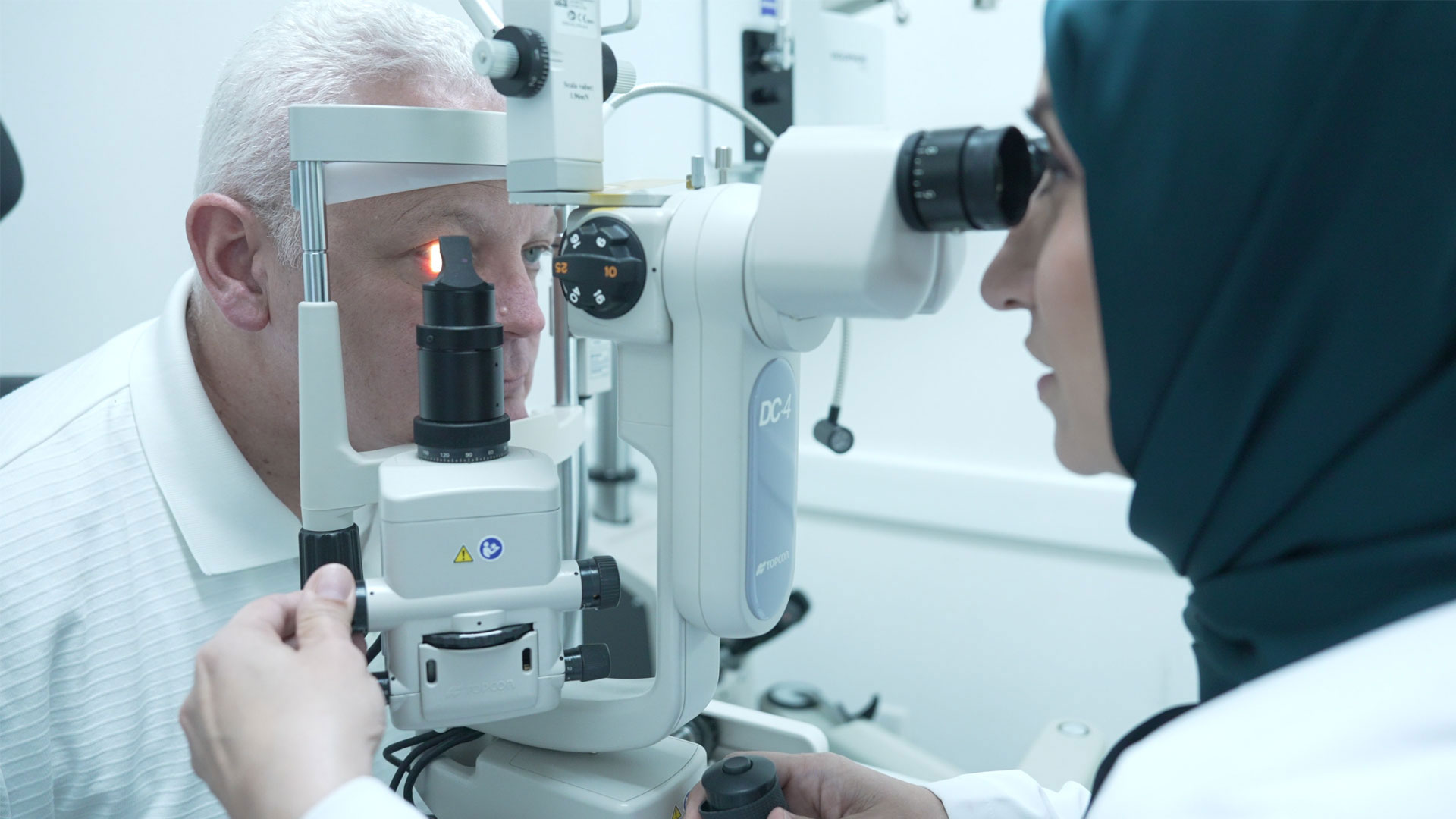
When patients visit our clinic complaining of new flashes of light or sudden changes to their vision, they often describe a wide variety of shapes moving across their field of vision. You might find yourself seeing spots and flashes in vision, noticing what feels like a permanent floater in eye fields, or tracking a large eye floater that constantly drifts across your line of sight.
In reality, these visual disturbances look different for everyone. During an exam, our patients frequently report symptoms such as:
- Seeing small black spots in vision or encountering a moving black line in the eye.
- Tracking distinct floating circles in vision or noticing floating circles in eyes.
- Seeing dots in vision or finding a sudden, isolated black speck in vision.
- Observing what looks like a clump of brown eye floaters passing by, or seeing tiny black specks that dart away right when you try to look directly at them.
Inside the eye, the back cavity is filled with a gel-like substance called the vitreous humor, which is physically attached to the retina. As we age, this gel naturally shrinks, thins, and liquefies. When this happens, microscopic collagen fibers inside the gel clump together. These moving particles cast shadows on your retina, resulting in the eyes floaters and spots you see. However, if the shrinking vitreous pulls or tugs aggressively away from the retina, it mechanically stimulates the nerves, causing the brain to perceive a sudden flash of light.
When Are Visual Distortions an Eye Emergency?
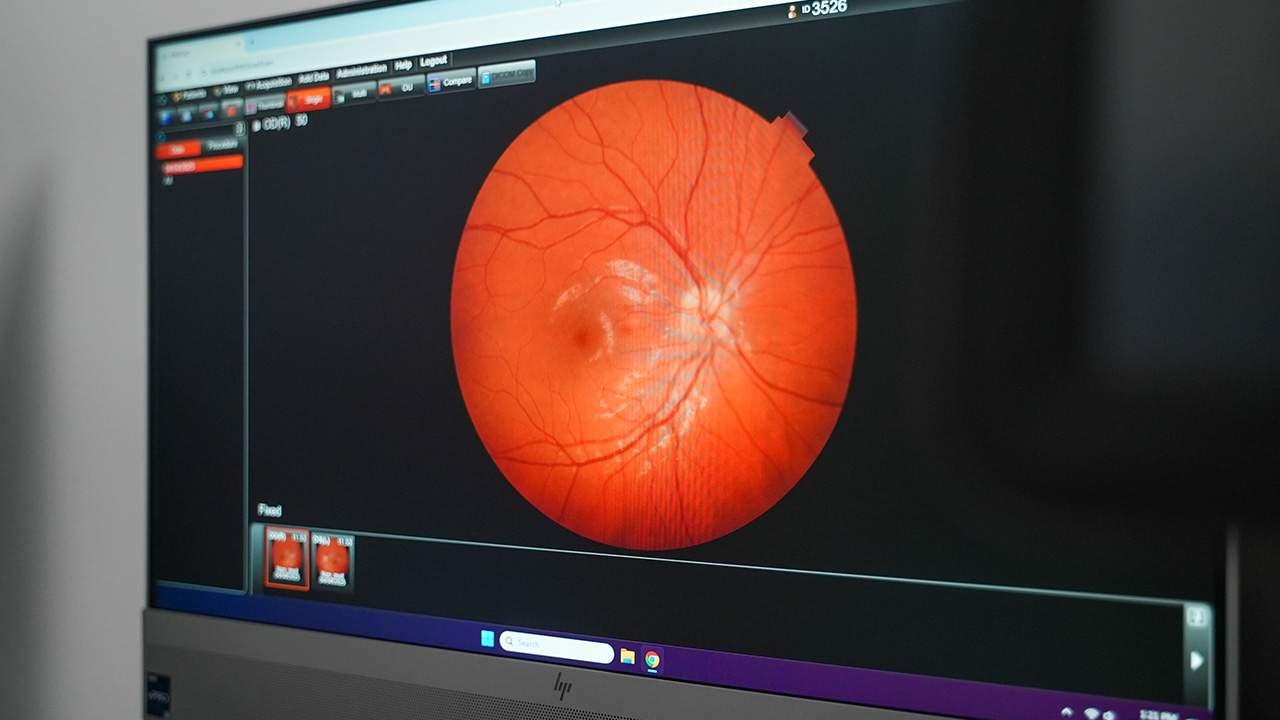
While a single, stable eye floater or occasional floating spots in eye fields can be a normal part of getting older, a sudden influx of new black dots in your vision is a critical warning sign that requires an immediate checkup.
You should contact a Houston eye flashes doctor right away if you experience:
- A sudden, dramatic increase in new floaters or a new large eye floater appearing overnight.
- Persistent arcs of light or showers of sparks in your side vision.
- A dark curtain, shadow, or gray veil pulling across any part of your vision.
These warning signs often point to a retinal tear or a full retinal detachment. Because a torn retina can lead to permanent vision loss if it isn't treated right away, getting an urgent eye exam for floaters is critical. Our team at Texas State Optical Of Champions delivers rapid diagnostic assessments to find out if you are experiencing benign vitreous changes or a true vision-threatening medical emergency.
Specialized Eye Care and Diagnostics in North Houston
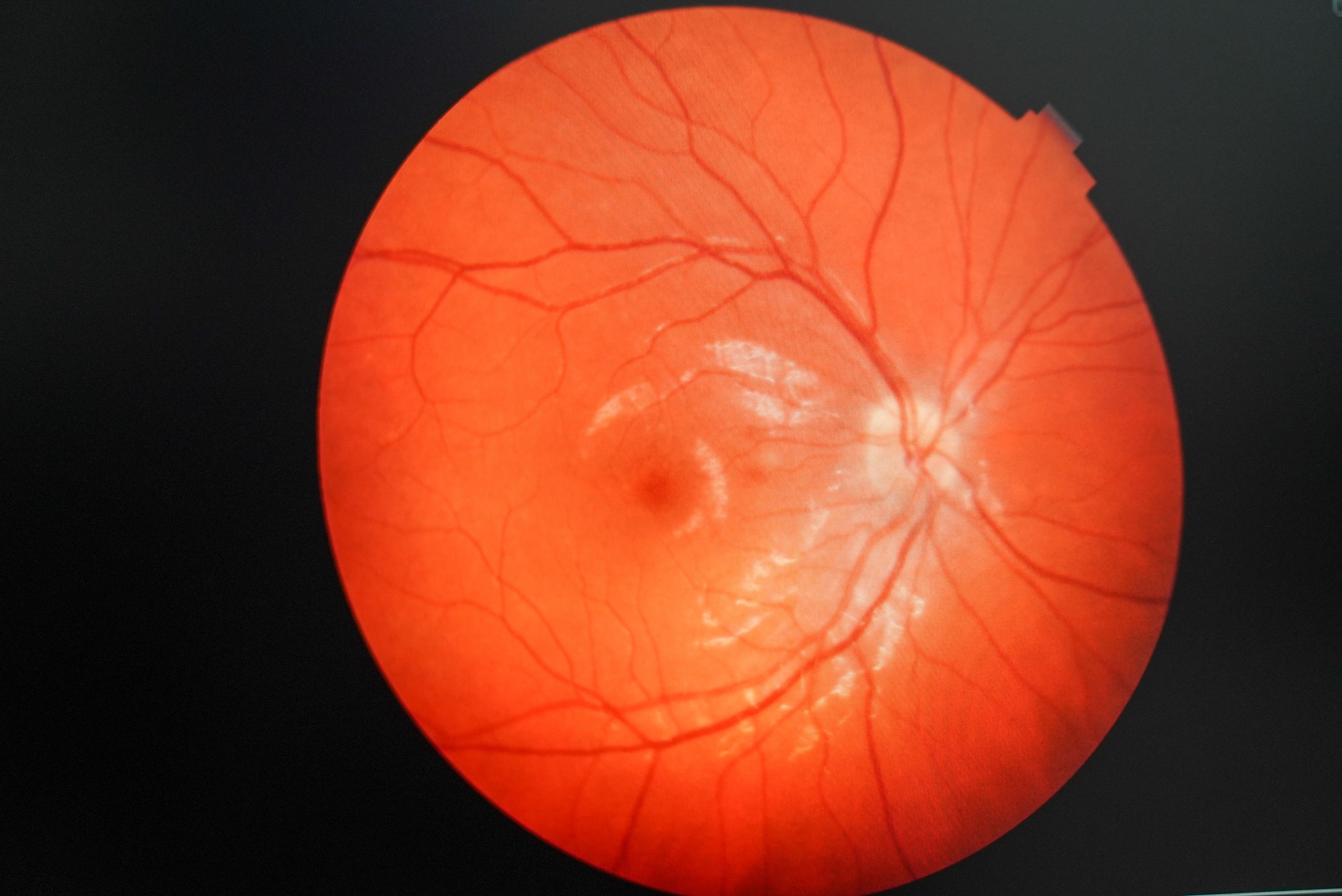
When you choose our team as your eye doctor for floaters, your visit will center around a thorough dilated fundus exam. Our optometrists use high-resolution digital retinal imaging and specialized biomicroscopy lenses to look deep inside the eye, carefully checking the entire perimeter of your vitreous and retina.
As a dedicated provider of foundational eye care floaters assessments, our goal is absolute diagnostic accuracy. If our doctors detect a retinal tear or detachment during your Eye Flashes & Floaters Exam in Houston, TX, we bypass standard waiting periods. We will stabilize you, explain the findings, and directly coordinate an expedited transfer to trusted local ophthalmic surgeons in the North Houston area so you get immediate surgical repair.
Frequently Asked Questions
What is an eye floater?
An eye floater is a small, semi-transparent clump of collagen fibers or cells that drifts within the vitreous gel inside your eye. These fragments cast shadows onto the retina at the back of the eye, making it look like small shapes are drifting across your visual field.
Why do I see black floaters in my eyes?
You see black floaters because the vitreous gel inside your eye naturally changes composition over time. As it shrinks and liquefies, microscopic fibers clump together. These clumps cast shadows on the retina, which your brain interprets as dark specks, strands, or webs floating in front of you.
Can eye doctors see floaters?
Yes. During a comprehensive dilated eye exam, an optometrist can directly view floaters inside your vitreous humor using a slit lamp and specialized condensing lenses. This allows the doctor to check if the floaters are harmless or tied to a retinal tear.
What does it mean when you see black dots?
Seeing black dots usually means that small cellular debris or condensed vitreous fibers are casting shadows on your retina. However, a sudden shower of many black dots can signify blood or pigment release inside the eye, which is a common indicator of a retinal tear and requires immediate medical attention.
Why am I seeing a circle in my vision when I blink?
Noticing a distinct circle or ring shape when you blink can be a sign of a Posterior Vitreous Detachment (PVD). This happens when the vitreous gel separates completely from the optic nerve head at the back of the eye, leaving a visible structural ring drifting in your field of vision.
What does retinal detachment flashes look like?
Retinal detachment flashes typically look like bright streaks of lightning, flickering arcs, or sparks of light, most commonly appearing in your peripheral (side) vision. These flashes persist even when you are in a dark room or when your eyes are completely closed.
What does it mean to see black spots?
Seeing black spots generally indicates that natural vitreous degeneration is occurring, causing fibers to clump together. If these spots appear suddenly, change in size, or are accompanied by flashes of light, it means the vitreous may be pulling away from the retina violently, risking a tear.
What causes you to see black dots?
The most common cause is age-related changes to the vitreous gel (vitreous syneresis). Other causes include high nearsightedness (myopia), eye trauma, inflammation inside the eye (uveitis), or bleeding caused by diabetic retinopathy or retinal tears.
What is a Weiss ring?
A Weiss Ring is a specific, circular floater that forms when the vitreous gel completely detaches from the tissue surrounding the optic nerve. It is a classic sign of a complete Posterior Vitreous Detachment and often looks like a large, hazy loop or circle moving across your vision.
Do floaters disappear?
Most floaters do not completely disappear, but they tend to settle down toward the bottom of the eye over time, moving out of your direct line of sight. Additionally, your brain naturally learns to adapt and filter them out over a period of several months so you stop noticing them.
Quick Links
Helpful Articles
article_category: products
article_category: psychiatry
article_category: faqs
article_category: cats
article_category: general
article_category: services
article_category: technology
article_category: dogs
article_category: restorative
article_category: vision therapy
article_category: contact lenses
article_category: health
article_category: conditions
article_category: eye surgery co-management
article_category: exotic
article_category: cosmetic
article_category: surgical procedures
article_category: aesthetics
article_category: preventative
article_category: ocular disease management
article_category: eyeglasses
article_category: eye health
article_category: large animal
[]
article_category: psychiatry
article_category: faqs
article_category: cats
article_category: general
article_category: services
article_category: technology
article_category: dogs
article_category: restorative
article_category: vision therapy
article_category: contact lenses
article_category: health
article_category: conditions
article_category: eye surgery co-management
article_category: exotic
article_category: cosmetic
article_category: surgical procedures
article_category: aesthetics
article_category: preventative
article_category: ocular disease management
article_category: eyeglasses
article_category: eye health
article_category: large animal
[]
Flowbite is an open-source library of interactive components built on top of Tailwind CSS including buttons, dropdowns, modals, navbars, and more.
Check out this guide to learn how to get started and start developing websites even faster with components on top of Tailwind CSS.

All Eyecare Services
We offer a wide variety of eye care services to the Houston community. Contact us with any questions about our services.

Locate Us
Click here to find us on Google Maps and take the first step toward meeting our team in person—we can't wait to welcome you to our office!

Contact Information
Office Hours
- Monday 9:00am - 6:00pm
- Tuesday 9:00am - 6:00pm
- Wednesday 9:00am - 6:00pm
- Thursday 9:00am - 6:00pm
- Friday 9:00am - 6:00pm
- Saturday 9:00am -1:00pm
- Sunday Closed
© 2026 Texas State Optical Champions. All rights Reserved - Accessibility Statement - Privacy Policy - Sitemap
Managed and Designed by 