

 Myopia management
 Dry Eye Treatment
 Shop Our Frames
Blog:How Long Does an Eye Exam Take? Planning Your Appointment
Summary
- Eye exam duration ranges from 30 minutes to two hours, depending on exam type and whether dilation is needed.
- Factors like age, patient history, and contact lens fittings can extend appointment time.
- For comprehensive eye exams in Houston, Texas State Optical Of Champions delivers trusted, doctor-owned eye care for every vision need.
Table of Contents
- What Happens During an Eye Exam?
- How Long Does a Standard Eye Exam Take?
- How Long Does an Eye Exam Take for Glasses?
- How Long Does an Eye Exam Take for Contacts?
- How Long Does an Eye Exam with Dilation Take?
- How Long Does an Eye Exam Take Without Dilation?
- What is the Best Time of Day for an Eye Exam?
- What Should You Do Before Your First Eye Exam?
- Why Do Houston Patients Choose Texas State Optical Of Champions?
- Frequently Asked Questions
What Happens During an Eye Exam?
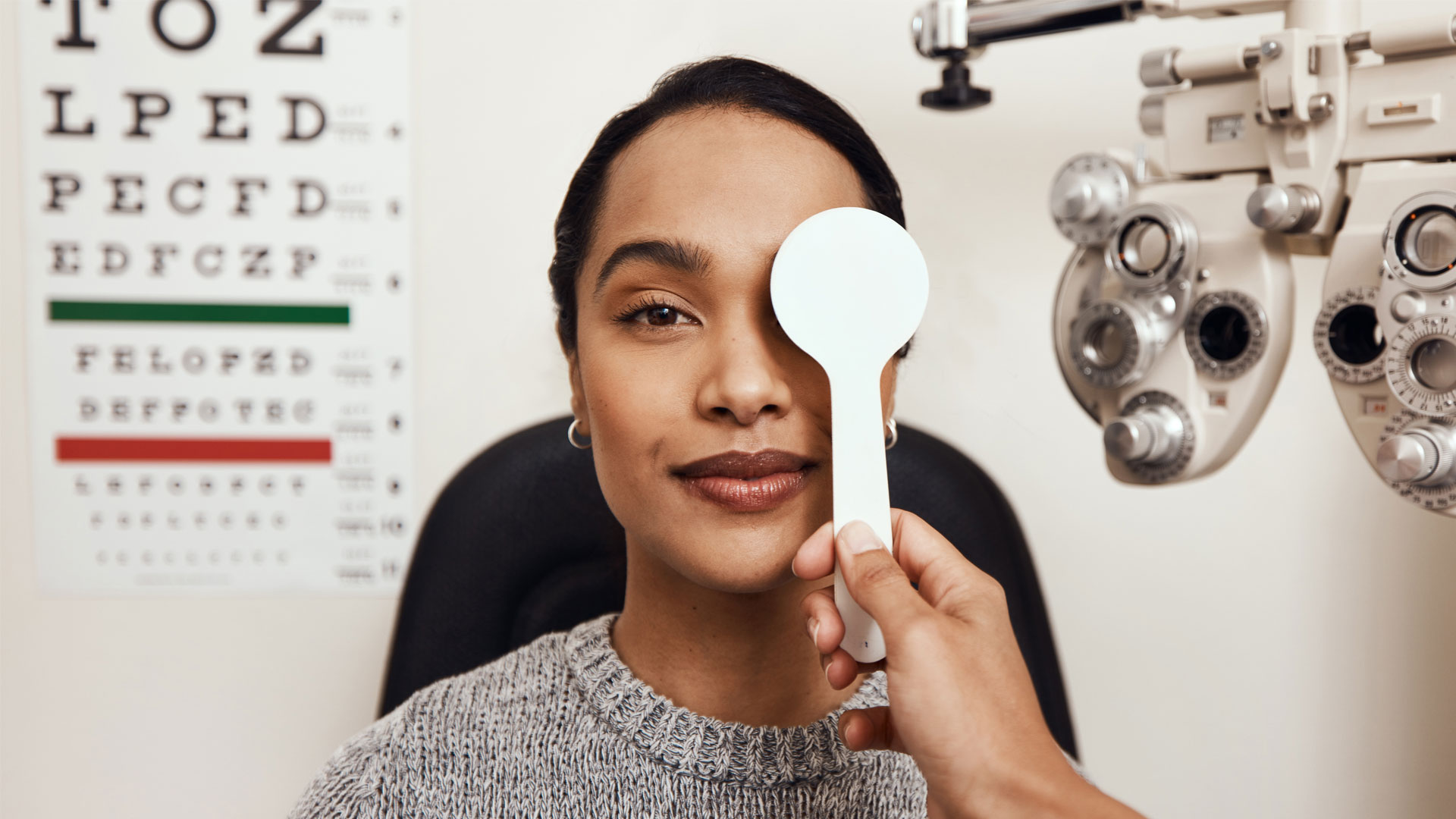
A comprehensive eye exam in Houston gives your doctor a complete picture of your eye health and vision needs. It typically includes a review of your medical and vision history, preliminary tests, refraction assessment, and a thorough evaluation of your eye health.
During preliminary tests, your eye doctor may check your visual acuity, color vision, depth perception, and eye muscle coordination. Refraction testing follows, during which you look through a series of lenses to determine your exact prescription. Your doctor will then examine the internal and external structures of your eyes using specialized tools.
A comprehensive medical eye care goes beyond simply determining whether you need glasses. It includes screening for glaucoma, macular degeneration, diabetic retinopathy, and other conditions that can affect your long-term vision and overall health.
How Long Does a Standard Eye Exam Take?
For most patients, a standard eye exam takes between 45 minutes and one hour. It includes time for preliminary testing, the actual examination with your doctor, and a brief discussion of your results and recommendations.
Eye exam time can vary depending on several factors:
- Whether this is your first visit
- Your age and overall eye health
- Whether additional testing is needed
- Whether dilation is required
New patients may spend a bit more time filling out forms and going through a more detailed history review. If your visit is straightforward and no dilation or special testing is required, you can reasonably expect to be in and out within an hour. Arriving a few minutes early and having your insurance information ready can also help keep things moving smoothly.
How Long Does an Eye Exam Take for Glasses?
An eye exam for new glasses or to update an existing prescription typically takes between 45 minutes and one hour. The refraction test takes up most of the time and precisely determines your prescription.
During this part of the exam, a Houston eye doctor will ask you to compare lenses and respond to which option gives you the clearest vision. This process requires careful attention and patience to get the most accurate results. After your eye doctor finalizes your prescription, selecting frames and getting a fitting can add another 20 to 30 minutes, depending on your preferences.
An eye exam with glasses also means your doctor will compare your current prescription with any changes in your vision, ensuring your new lenses provide the sharpest, most comfortable vision possible.
How Long Does an Eye Exam Take for Contacts?
A contact lens eye exam in Houston, TX, typically takes between 1 and 1.5 hours. It is longer than a standard glasses exam because of the additional steps involved in the fitting process.
The extra time accounts for:
- Measuring the curvature of your eyes
- Assessing which type and brand of contact lens best suits your needs
- Evaluating how the lenses sit on your eyes after a trial fitting
If you are a first-time contact lens wearer, your appointment may also include a brief training session on inserting, removing, and properly caring for your lenses. It is a normal and important part of the eye exam process, especially for those transitioning from glasses to contacts.
How Long Does an Eye Exam with Dilation Take?
When an eye doctor in Houston includes dilation, the vision exam can last 1 to 2 hours.
Eye dilation involves applying special drops that widen your pupils. It gives your doctor a much clearer view of the internal structures of your eye, including the retina, optic nerve, and blood vessels. It is a crucial part of a thorough eye health evaluation and is particularly important for detecting early signs of serious conditions.
Here is what to expect after dilation drops are applied:
- Wait time for full dilation: 15 to 30 minutes
- Side effects: light sensitivity and temporarily blurry near vision
- Duration of effects: two to four hours after your appointment
How Long Does an Eye Exam Take Without Dilation?
An eye exam without dilation typically takes between 30 minutes and one hour. The overall exam time is noticeably shorter when dilation is not required.
Not every patient requires dilation at every visit. Your doctor will recommend dilation based on your age, risk factors, and personal health history:
- Younger patients without known risk factors who have been previously dilated may not need it every year.
- Older patients or those with conditions like diabetes may require it more regularly
Skipping dilation does mean your doctor has a more limited view of certain internal structures. For this reason, we offer Optomap®. Optomap® is more than simply a picture, it provides an ultra-widefield view of the retina and can often be performed without dilating drops. It may serve as an alternative to or complement traditional dilation, depending on your doctor’s clinical evaluation, while providing a detailed view of the back of the eye to help detect and monitor changes in eye health.
What is the Best Time of Day for an Eye Exam
Morning appointments are generally the best time of day for an eye exam, particularly if you are expecting dilation. Your eyes are well-rested, and you have the rest of the day to recover from any temporary blurriness caused by dilation drops.
Additional timing tips to keep in mind:
- Avoid scheduling right before an important meeting, a long drive, or any activity that requires sharp near vision.
- Plan your appointment early in the day or during a time when you can rest afterward.
- If you wear contact lenses, bring your glasses to the appointment or wear them, as you may need to remove your contacts before certain tests.
What Should You Do Before Your First Eye Exam?
Going in for a first-time eye exam can feel uncertain if you do not know what to expect. Preparing ahead of time makes the process smoother and helps your doctor provide more accurate, tailored care.
Here is what to bring and do before your appointment:
- Shop Our Frames Before You Visit: Take a look at our online optical selection ahead of your visit to explore frame styles and designer brands.
- Bring Your Eyewear: You should bring your current glasses or contact lenses, along with your prescription if you have one. If you wear contacts, please also bring or know the brand name and prescription parameters of what you are currently wearing.
- Prepare Your Medical Details: Prepare a list of any medications you are currently taking (as some can affect eye health) and share your family history of eye conditions, such as glaucoma or macular degeneration.
- Discuss Your Vision Habits: Be ready to answer questions about daily habits, screen time, and any symptoms such as headaches, blurry vision, or eye strain.
- Arrive Early: Arriving a few minutes early and having your insurance information ready can also help keep things moving smoothly.
Most importantly, do not rush. A thorough eye exam is an investment in your long-term health, and giving your doctor the time and information they need ensures you leave with the best possible care plan.
Why Do Houston Patients Choose Texas State Optical Of Champions?
Texas State Optical Of Champions is Houston's trusted choice for eye exams because it is a doctor-owned and operated practice with a legacy of trust built over decades of service to the community. Patients choose Texas State Optical Of Champions not just for their vision needs but for comprehensive medical eye care that goes well beyond a basic prescription check.
Their experienced team of professionals will take the time to thoroughly examine your eyes and provide personalized care, whether you need a routine vision exam, a comprehensive dilation evaluation, or a contact lens eye exam in Houston.
Additionally, Texas State Optical has earned recognition as the largest single provider of vision insurance plans in Texas and the Southwest, so their clinic is very likely to accept your plan.
Have your eyes checked by a professional. Set an appointment with Texas State Optical Of Champions today.
FAQs
How Long Does the Average Eye Exam Take?
A standard eye exam takes between 45 minutes and one hour. With dilation, expect up to two hours.
Can I Drive Myself After an Eye Exam?
If a Houston eye doctor dilates your pupils, it is best to arrange a ride, as dilation can temporarily affect vision and light sensitivity.
How Many Hours Should I Sleep Before an Eye Test?
Aim for at least seven to eight hours of sleep so your eyes are well-rested and free from strain.
What Makes You Fail an Eye Test?
Poor visual acuity, undetected refractive errors, or signs of eye disease can result in a failed standard vision screening.
How Long Do Eye Appointments Take?
Most appointments last between 45 minutes and two hours, depending on the type of exam and whether dilation is needed.
When to Get an Eye Exam?
Adults should have a comprehensive eye exam every year to maintain healthy vision and catch any changes early.
What Do They Do at Eye Exams?
Doctors check visual acuity, eye pressure, peripheral vision, and the health of internal eye structures during a full exam.
Should I bring my current glasses to the eye exam?
Yes, you should bring all pair(s) of glasses you currently use so your eye doctor can evaluate your existing prescription and vision performance.
Should I wear contacts to an eye exam?
You do not need to remove your contact lenses before your exam. However, let your doctor know you are wearing them, as this may be relevant to certain tests performed during your visit. Please also bring or know the brand name and prescription parameters of the contact lenses you are currently wearing.
What does a comprehensive eye exam consist of?
A comprehensive eye exam evaluates both your vision and overall eye health. It typically includes visual acuity testing, refraction assessment, eye alignment checks, glaucoma pressure tests, and a retinal evaluation.
Our comprehensive eye exams also include Neurolens® Advanced Eye Alignment Testing, which measures how your eyes work together at different distances to identify subtle alignment issues that may contribute to eye strain, headaches, and visual discomfort.
Quick Links
Helpful Articles
article_category: products
article_category: psychiatry
article_category: faqs
article_category: cats
article_category: general
article_category: services
article_category: technology
article_category: dogs
article_category: restorative
article_category: vision therapy
article_category: contact lenses
article_category: health
article_category: conditions
article_category: eye surgery co-management
article_category: exotic
article_category: cosmetic
article_category: surgical procedures
article_category: aesthetics
article_category: preventative
article_category: ocular disease management
article_category: eyeglasses
article_category: eye health
article_category: large animal
[]
article_category: psychiatry
article_category: faqs
article_category: cats
article_category: general
article_category: services
article_category: technology
article_category: dogs
article_category: restorative
article_category: vision therapy
article_category: contact lenses
article_category: health
article_category: conditions
article_category: eye surgery co-management
article_category: exotic
article_category: cosmetic
article_category: surgical procedures
article_category: aesthetics
article_category: preventative
article_category: ocular disease management
article_category: eyeglasses
article_category: eye health
article_category: large animal
[]
Flowbite is an open-source library of interactive components built on top of Tailwind CSS including buttons, dropdowns, modals, navbars, and more.
Check out this guide to learn how to get started and start developing websites even faster with components on top of Tailwind CSS.

All Eyecare Services
We offer a wide variety of eye care services to the Houston community. Contact us with any questions about our services.

Locate Us
Click here to find us on Google Maps and take the first step toward meeting our team in person—we can't wait to welcome you to our office!

Contact Information
Office Hours
- Monday 9:00am - 6:00pm
- Tuesday 9:00am - 6:00pm
- Wednesday 9:00am - 6:00pm
- Thursday 9:00am - 6:00pm
- Friday 9:00am - 6:00pm
- Saturday 9:00am -1:00pm
- Sunday Closed
© 2026 Texas State Optical Champions. All rights Reserved - Accessibility Statement - Privacy Policy - Sitemap
Managed and Designed by 