

 Myopia management
 Dry Eye Treatment
 Shop Our Frames
Why Private Practice Eye Exams Cost More Than Box Stores
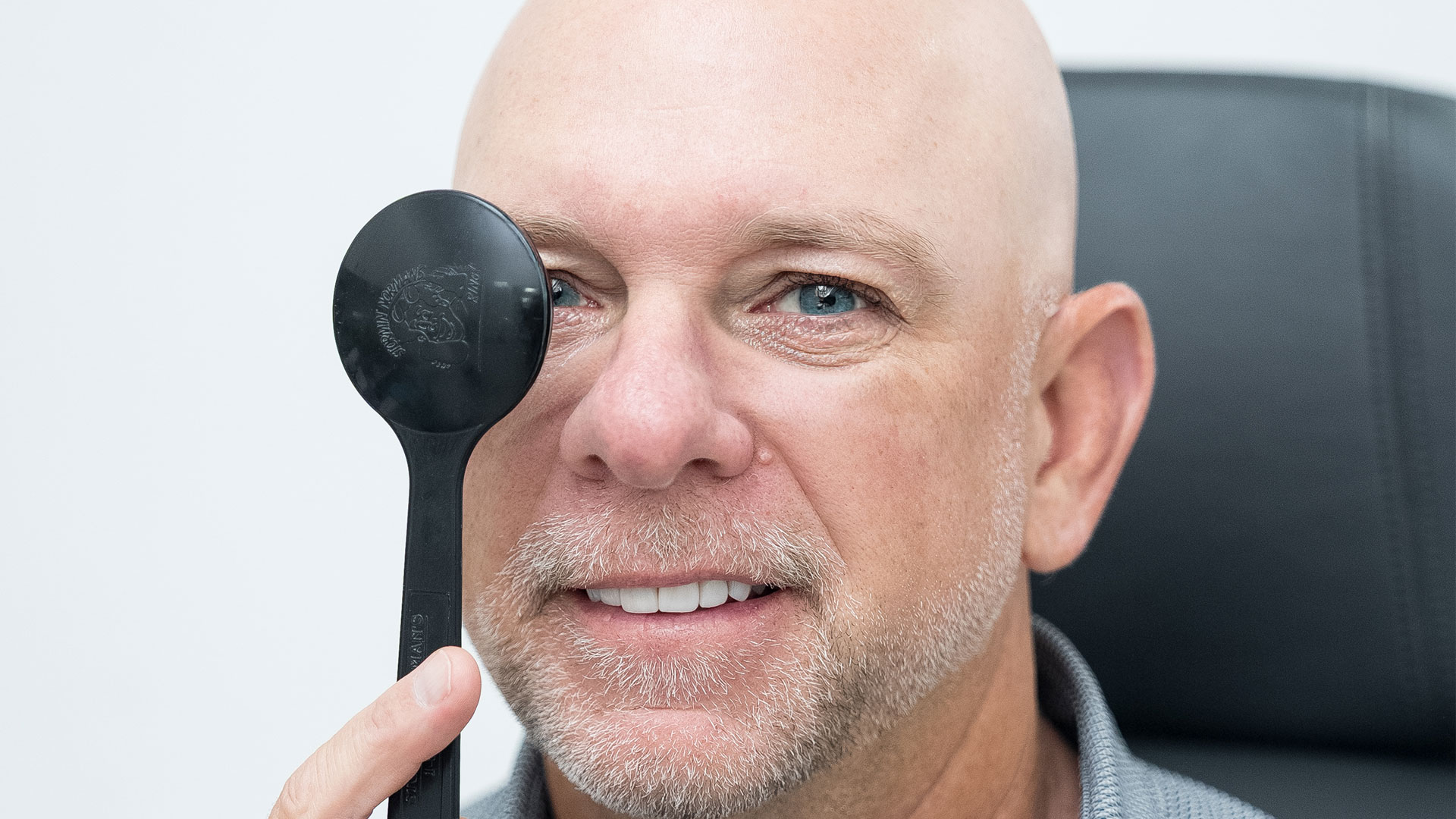
Why does an eye exam cost $50 at one place and well over $100 at another?
You looked up eye exam prices, and the difference probably made you wonder what you’re actually paying for. A $50 exam at a big box store next to a much higher price at a local optometrist can feel like you’re paying extra for the same 15-minute appointment. But you’re usually comparing two different types of visits that happen to have the same name.
Private practice eye exams often include more in-depth medical testing, retinal imaging, and more time with a doctor who can follow your eye health from one visit to the next. Big box stores can keep exam prices lower because the eye exam is often part of a larger retail business, where the goal is also to get you into the eyewear section.
Below, we’ll look at what a private practice exam covers that a big box store visit may not, why the pricing works differently, and how to decide which option makes sense for your eyes.
What's Included in a Private Practice Eye Exam
A comprehensive eye exam at an independent practice checks a lot more than whether you need glasses. At Texas State Optical Of Champions, a full exam typically includes retinal imaging, glaucoma testing, and a review of your family and medical history, on top of the standard vision and prescription check. Dr. Ayesha Butt, who has owned and managed the practice since 2014, built her exam protocols around catching problems early, especially in patients with diabetes, high blood pressure, or a family history of macular degeneration.
That takes time. A private practice appointment usually runs 30 to 45 minutes, not because the doctor is padding the visit, but because dilating your eyes, imaging your retina, and going over the results with you takes that long. You also see the same doctor visit after visit, which means they're watching for small changes in your eyes over years rather than reading a chart cold every time you walk in.
The equipment matters too. Independent practices like Texas State Optical Of Champions invest in tools such as Neurolens for digital eye strain and diagnostic imaging for early disease detection, and that equipment isn't cheap to buy, maintain, or staff. Some of that cost shows up in the exam fee instead of getting buried somewhere else.
Why Big Box Store Eye Exams Cost Less
Here’s the part most people don’t realize. The optometrist at your local Costco or Walmart usually isn’t a store employee. In most states, they’re an independent doctor who leases a small office next to the optical department and runs their own practice under the store’s roof.
That setup can shape the whole experience. Big box exams tend to move quickly, often taking 10 to 15 minutes, and are generally focused on checking your prescription rather than taking a deeper look at your overall eye health. Retinal imaging, if it’s offered, may come with an additional fee on top of the advertised exam price. Some locations also rotate doctors, so the person checking your eyes this year may not be the same doctor you saw last year or will see next year.
Private Eye Care vs Big Box Stores: A Side-by-Side Comparison
| Factor | Private Practice (e.g., Texas State Optical Of Champions) | Big Box Store |
|---|---|---|
| Typical exam cost (no insurance) | $50–$200, often $130–$150 | $50–$90 |
| Average appointment length | 30–60+ minutes | 15–20 minutes |
| Same doctor each visit | Usually yes | Often varies |
| Advanced imaging (Optomap retinal imaging, OCT when medically indicated) | Common | Less common, often an upsell |
| Medical eye exam / disease management | Yes, coordinated with health insurance | Limited, may require referral out |
| Business incentive | The exam, long-term eye health, and in-house lens finishing, adjustments and repairs for Texas State Optical purchases | Frame and lens sales |
| Best fit for | Anyone with a family history of eye disease, diabetes, chronic conditions, or kids needing myopia management | Healthy adults needing a routine glasses update |
Prices vary by region, insurance, and exactly what's included, so treat these as general ranges rather than a quote. Your vision plan may cover most of either option.
What a Lower Price Might Not Include
The advertised price at a box store is rarely the full cost once you add in what you end up needing. Retinal imaging, if you want it, can run an extra $20 to $40 on top of the base exam fee. Contact lens fittings are frequently billed separately from the vision exam, even though most patients assume they're bundled together.
If the exam turns up something concerning, you may get referred to a specialist rather than treated on the spot, which means another appointment, another copay, and another wait.
There's a quieter cost too. A rushed exam is more likely to miss the early, symptomless signs of glaucoma or diabetic eye disease, conditions that do real damage before you'd ever notice a change in your vision. Catching those early is the entire point of a comprehensive exam, and it's hard to do well in ten minutes.
Is Paying More for a Private Practice Eye Exam Worth It?
A box store exam can update your glasses prescription, but it isn’t recommended for complete, long-term eye care.
You're a stronger candidate for a comprehensive private practice exam if you have diabetes or high blood pressure, a family history of glaucoma or macular degeneration, you wear contact lenses, you're bringing in a child for their first exams, or you've noticed any change in your vision, even a small one.
Insurance also changes the math more than most people expect. Many vision and medical insurance plans cover most of the cost of a comprehensive exam at an independent practice, which shrinks the out-of-pocket gap a lot. Texas State Optical Of Champions accepts a wide range of vision and medical insurance plans, so before you assume the private practice route costs three times as much, call (281) 440-5887 and ask what your plan covers. No vision insurance? The TSO Vision Plan is free to join, with no monthly premiums. Members get extra discounts on comprehensive eye exams and on select frames and lenses.
Your Eyes Are Worth More Than a Quick Screening
A cheap exam isn't automatically a bad one, and an expensive exam isn't automatically a great one. What matters is whether the exam looks closely at your eye health or just checks whether you can read the bottom line on the chart. If you have any risk factors, wear contacts, or haven't had a genuinely thorough exam in a few years, it's worth booking a comprehensive visit.
“A good eye exam should look beyond your prescription,” says Dr. Ayesha Butt of Texas State Optical Of Champions. “We want to understand what’s happening with your eyes and catch potential problems as early as possible.”
Texas State Optical Of Champions has been caring for families in northwest Houston since 1986, with doctors who know their patients by name and often see second and third generations from the same family. Call (281) 440-5887 or visit the practice at 5774 Cypress Creek Parkway, Houston, TX 77069 to schedule a comprehensive eye exam and find out exactly what your vision insurance covers.
Frequently Asked Questions
Why Do Private Practice Eye Exams Cost More Than A Big Box Store Exam?
Private practice exams include more testing, more time with the doctor, and ongoing care over multiple visits. Big box stores keep exam prices low because the eye exam is one small part of a much bigger store that sells groceries, TVs, computers and everything in between. Some also require a paid yearly membership just to shop there. At Texas State Optical Of Champions, you don’t pay a yearly fee to walk in the door. You get a full optical with designer frames and lenses, and the doctor who examined your eyes is right down the hall.
What's The Real Difference Between A Vision Screening And A Comprehensive Eye Exam?
A vision screening checks whether you can see clearly and confirms a glasses prescription. A comprehensive eye exam goes further, checking for glaucoma, diabetic eye disease, and other conditions that don't cause noticeable symptoms until they've already progressed.
Is The Eye Doctor At Costco Or Walmart Part Of The Store?
Usually not. In most states, the optometrist leases office space next to the optical department and runs an independent practice, separate from the store's retail business.
Will My Vision Insurance Cover The Price Difference At A Private Practice?
Often, yes. Many vision and medical insurance plans cover most of a comprehensive exam no matter where you go, so what you actually pay out of pocket is often closer than the sticker price suggests. Call Texas State Optical Of Champions at (281) 440-5887 and we’ll check your plan before your visit. No vision insurance? The TSO Vision Plan is free to join, with no monthly premiums, and members save on comprehensive eye exams and select frames and lenses.
How Much Should I Expect To Pay For A Comprehensive Eye Exam?
Prices vary by region and insurance, but comprehensive exams at independent practices often run higher than a basic box store screening once testing like retinal imaging is included. Many patients pay far less out of pocket once vision insurance is applied. No vision insurance? The TSO Vision Plan is free to join, with no monthly premiums, and members save on comprehensive eye exams and select frames and lenses.
How Often Do I Need A Comprehensive Eye Exam?
Most healthy adults benefit from a comprehensive exam every year, though your doctor may recommend annual visits or more often if you have diabetes, wear contacts, or have a family history of eye disease. Children and older adults are often advised to go annually as well.
Quick Links
Helpful Articles

All Eyecare Services
We offer a wide variety of eye care services to the Houston community. Contact us with any questions about our services.

Locate Us
Click here to find us on Google Maps and take the first step toward meeting our team in person—we can't wait to welcome you to our office!

Contact Information
Office Hours
- Monday 9:00am - 6:00pm
- Tuesday 9:00am - 6:00pm
- Wednesday 9:00am - 6:00pm
- Thursday 9:00am - 6:00pm
- Friday 9:00am - 6:00pm
- Saturday 9:00am -1:00pm
- Sunday Closed
© 2026 Texas State Optical Of Champions. All rights Reserved - Accessibility Statement - Privacy Policy - Sitemap
Managed and Designed by 